
Heading 1
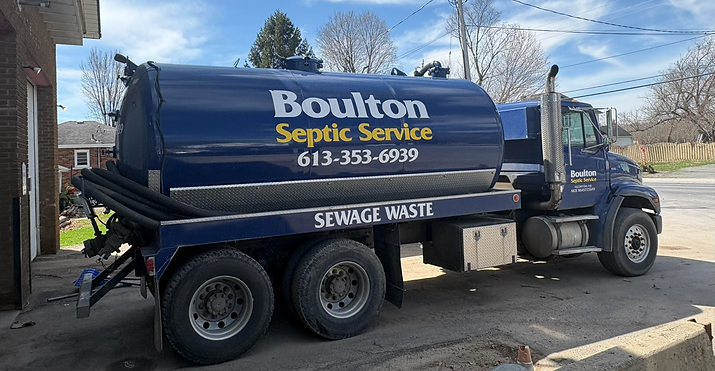
Owned and Opperated out of Inverary by Brian Larmon and family Since 2012
FAQ'S and TIPS
Questions to ask when buying a home:
-
Do you have a copy of the septic system permit?
-
When was the last time the septic tank was pumped out?
-
Are there records of system maintenance (tank pump-outs, system repair)?
-
Have there been any problems with the septic system: system backing up, foul odours, effluent on the surface, soggy ground in the leaching bed, system freezing, toilet and drains gurgling or draining slowly?
-
Have there been any potable water quality problems (E. coli, faecal coliform, nitrate)?
-
This could be due to infiltration of the well by leakage from the septic system and could indicate a malfunctioning system. Results from the water quality samples that you take of the well water may help indicate septic system problems.
Signs your septic system is having issues:
-
Odors – especially after a rainfall
-
Bleed out or seepage - around the septic tank or leaching (tile) bed
-
Ponding – the ground around the septic tank or leaching bed may be soggy or spongy to walk on
-
Green stripes of grass or patchy lawn over tile field
-
Slow draining fixtures – toilets don’t flush well and drains take longer than usual to empty
-
Back up - the water level in the septic tank is higher than the outlet pipe
-
Freeze up
-
Frequent pump-outs
How often should your septic tank be pumped?
In Ontario, most septic tanks should be pumped every three to five years. The exact timing can vary depending on a few factors, including:
-
Household size – More people means more wastewater entering the system.
-
Water usage – Frequent laundry, long showers, or high overall water use can fill the tank more quickly.
-
Tank size – Smaller tanks reach capacity sooner and may need more frequent service.
Regular pumping helps prevent backups, costly repairs, and potential environmental issues. Staying on a consistent schedule keeps your system running smoothly and avoids unpleasant surprises.
Tips for septic system home owners
-
Reduce the amount of water your septic system has to process
-
Do not use excessive amounts of toilet tissue
-
Do not feed your septic system food, fats, plastics, cigarette filters or toxic chemicals
-
Keep trees and shrubs away from the system
-
Do not restrict sunlight over the system with buildings, decks or structures
-
Keep heavy equipment and traffic away from the system to avoid damage
WIPES GO IN THE TRASH NOT THE TOILET!
(even if the package says the are flush-able)
-
Wipes do not easily break down, and they clog plumbing.
-
Flushing items other than toilet paper and human waste will cause equipment to fail, poses a health risk and puts your home at risk of sewage back-ups.
Our Information
Address
3806 Battersea Rd
Inverary, ON K0H 1X0
Contact
(613) 353-6939
Opening Hours
Mon - Fri
Weekends

